Dutch
Neuroscience Meeting
Dutch
Neuroscience Meeting
Dutch
Neuroscience Meeting
Tiel, The Netherlands • 25-26 June 2026
Tiel, The Netherlands
25-26 June 2026
Tiel, The Netherlands
25-26 June 2026
Dutch
Neuroscience Meeting
Dutch
Neuroscience Meeting
Dutch
Neuroscience Meeting
Tiel, The Netherlands • 25-26 June 2026
Tiel, The Netherlands
25-26 June 2026
Tiel, The Netherlands
25-26 June 2026
Our main speakers this year cover an exciting array of topics throughout the various sessions in our programme. Click on the images below to learn more.
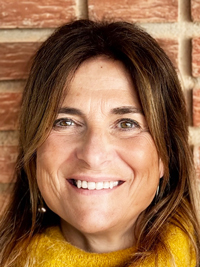 Amparo Acker-Palmer was born in Sueca, Valencia, Spain. She studied biology and biochemistry at the
University of Valencia, where she earned her PhD in 1996. Subsequently, she pursued postdoctoral
research at the European Molecular Biology Laboratory (EMBL) in Heidelberg, Germany.
Amparo Acker-Palmer was born in Sueca, Valencia, Spain. She studied biology and biochemistry at the
University of Valencia, where she earned her PhD in 1996. Subsequently, she pursued postdoctoral
research at the European Molecular Biology Laboratory (EMBL) in Heidelberg, Germany.
In 2001, she established her independent junior research group specializing in signal transduction at the
Max Planck Institute for Neurobiology in Martinsried. In 2007, she was appointed professor at the Cluster
of Excellence “Macromolecular Complexes” (CEF) at Goethe University Frankfurt, where she also served
as a member of the CEF board from 2009 to 2012. In recognition of her pioneering work, she was
awarded the Paul Ehrlich and Ludwig Darmstaedter Prize for young scientists in 2010.
Since 2011, she has held the Chair of the Department of Molecular and Cellular Neurobiology at Goethe
University Frankfurt. Since 2014, she has been a Max Planck Fellow at the Max Planck Institute for Brain
Research in Frankfurt. Her outstanding scientific contributions were further recognized with an ERC
Advanced Grant in 2016 and the Koselleck Award from the German Research Foundation (DFG) in 2026.
Amparo Acker-Palmer is an elected member of several prestigious institutions, including the German
Academy of Sciences Leopoldina, Academia Europaea, and the European Molecular Biology Organization
(EMBO). She has served on the Neuroscience Reviewing Panel of the German Research Foundation from
2016 until 2024. In 2018, she became Director of the Interdisciplinary Center for Neuroscience in
Frankfurt, overseeing collaboration among more than 60 neuroscience research groups. Since January
2021, she has also served as co-director of the Buchmann Institute for Molecular Life Sciences at Goethe
University Frankfurt.
Amparo Acker-Palmer was born in Sueca, Valencia, Spain. She studied biology and biochemistry at the
University of Valencia, where she earned her PhD in 1996. Subsequently, she pursued postdoctoral
research at the European Molecular Biology Laboratory (EMBL) in Heidelberg, Germany.
In 2001, she established her independent junior research group specializing in signal transduction at the
Max Planck Institute for Neurobiology in Martinsried. In 2007, she was appointed professor at the Cluster
of Excellence “Macromolecular Complexes” (CEF) at Goethe University Frankfurt, where she also served
as a member of the CEF board from 2009 to 2012. In recognition of her pioneering work, she was
awarded the Paul Ehrlich and Ludwig Darmstaedter Prize for young scientists in 2010.
Since 2011, she has held the Chair of the Department of Molecular and Cellular Neurobiology at Goethe
University Frankfurt. Since 2014, she has been a Max Planck Fellow at the Max Planck Institute for Brain
Research in Frankfurt. Her outstanding scientific contributions were further recognized with an ERC
Advanced Grant in 2016 and the Koselleck Award from the German Research Foundation (DFG) in 2026.
Amparo Acker-Palmer is an elected member of several prestigious institutions, including the German
Academy of Sciences Leopoldina, Academia Europaea, and the European Molecular Biology Organization
(EMBO). She has served on the Neuroscience Reviewing Panel of the German Research Foundation from
2016 until 2024. In 2018, she became Director of the Interdisciplinary Center for Neuroscience in
Frankfurt, overseeing collaboration among more than 60 neuroscience research groups. Since January
2021, she has also served as co-director of the Buchmann Institute for Molecular Life Sciences at Goethe
University Frankfurt.
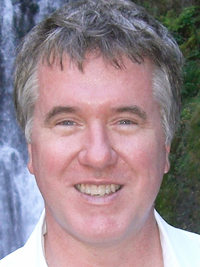 Education and Degrees
Post-doctoral Fellow, Psychology Department, UC Berkeley 1994-1995
Ph.D., Psychology and Neuroscience, University of California, Los Angeles, June, 1994
B.A., Cognitive Science, University of Rochester, Rochester, NY. May, 1986
Current Position. Senior Scientist, MRC Cognition and Brain Sciences Unit, University of Cambridge
Principal Previous Positions
Chair, Cognitive Neuroscience, School of Psychology, University of St. Andrews 2007-2009
Full Professor, Cognitive Neuroscience, Psychology, University of Oregon 2008-2009
Associate Professor, Cognitive Neuroscience, Psychology, University of Oregon 2001-2007
Assistant Professor, Cognitive Neuroscience, Psychology, University of Oregon 1995-2001
Academic/Research Leadership, Public Service, Recognition, Honours and Awards
Sloan-Menninger-Shevrin Prize, Neuropsychoanalysis Society (2021); Mid-Career Award, Psychonomics Society (2019); Mid-Career Award, Experimental Psychology Society (2020); Elected: Society for Experimental Psychologists (SEP, 2019); Fellow: Association for Psychological Science (2009); Fellow:Psychonomics Society (2013) Governing Board, Psychonomics Society, (2009-2015). Programme Chair: Cognitive Neuroscience Society Annual Meeting (2021-present).
Education and Degrees
Post-doctoral Fellow, Psychology Department, UC Berkeley 1994-1995
Ph.D., Psychology and Neuroscience, University of California, Los Angeles, June, 1994
B.A., Cognitive Science, University of Rochester, Rochester, NY. May, 1986
Current Position. Senior Scientist, MRC Cognition and Brain Sciences Unit, University of Cambridge
Principal Previous Positions
Chair, Cognitive Neuroscience, School of Psychology, University of St. Andrews 2007-2009
Full Professor, Cognitive Neuroscience, Psychology, University of Oregon 2008-2009
Associate Professor, Cognitive Neuroscience, Psychology, University of Oregon 2001-2007
Assistant Professor, Cognitive Neuroscience, Psychology, University of Oregon 1995-2001
Academic/Research Leadership, Public Service, Recognition, Honours and Awards
Sloan-Menninger-Shevrin Prize, Neuropsychoanalysis Society (2021); Mid-Career Award, Psychonomics Society (2019); Mid-Career Award, Experimental Psychology Society (2020); Elected: Society for Experimental Psychologists (SEP, 2019); Fellow: Association for Psychological Science (2009); Fellow:Psychonomics Society (2013) Governing Board, Psychonomics Society, (2009-2015). Programme Chair: Cognitive Neuroscience Society Annual Meeting (2021-present).
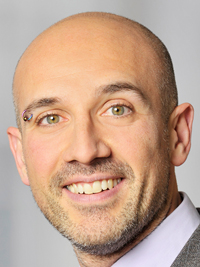 Alessio Attardo was born in Palermo, Italy, where he studied Biology at the University of Palermo. In 2002, he moved to Dresden, Germany, to pursue his PhD in the laboratory of Wieland B. Huttner, where he investigated the cellular mechanisms governing cortical neurogenesis during embryonic development and in the adult brain. In 2008, he joined the laboratory of Mark J. Schnitzer at Stanford University, USA, where over seven years he explored the synaptic mechanisms underlying memory formation and the long-term stability of engram neurons in the dorsal hippocampus of mice. In 2015, he returned to Germany to establish his independent research group at the Max Planck Institute of Psychiatry in Munich. Since 2021, he has been based in Magdeburg, where he serves as Speaker of the Research Program Memory. His research combines state-of-the-art optical imaging, optogenetic and chemogenetic strategies, and behavioural approaches to dissect the structural plasticity mechanisms underlying learning and memory, as well as the cell-biological basis of engram formation and representational drift in the mouse hippocampus.
Alessio Attardo was born in Palermo, Italy, where he studied Biology at the University of Palermo. In 2002, he moved to Dresden, Germany, to pursue his PhD in the laboratory of Wieland B. Huttner, where he investigated the cellular mechanisms governing cortical neurogenesis during embryonic development and in the adult brain. In 2008, he joined the laboratory of Mark J. Schnitzer at Stanford University, USA, where over seven years he explored the synaptic mechanisms underlying memory formation and the long-term stability of engram neurons in the dorsal hippocampus of mice. In 2015, he returned to Germany to establish his independent research group at the Max Planck Institute of Psychiatry in Munich. Since 2021, he has been based in Magdeburg, where he serves as Speaker of the Research Program Memory. His research combines state-of-the-art optical imaging, optogenetic and chemogenetic strategies, and behavioural approaches to dissect the structural plasticity mechanisms underlying learning and memory, as well as the cell-biological basis of engram formation and representational drift in the mouse hippocampus.
 Dr. Baleriola got her PhD in 2008 after conducting her research at the Center for Biological Research Margarita Salas (CIB-CSIC, Madrid). To further her career in neuroscience research Dr. Baleriola joined the laboratory of Dr. Ulrich Hengst at the Taub Institute for Research on Alzheimer’s Disease and the Aging Brain, Columbia University (New York, USA) in 2010. Her research projects aimed to unravel a possible role for intra-axonal protein synthesis in amyloid pathology, a central feature of AD. When she joined the Taub Institute there was no pre-existing evidence that local translation in axons could play a role in the adult central nervous system (CNS) in the context of neurodegenerative diseases. She defined a novel unexpected molecular pathway that mediates axon-to-soma spread of amyloid pathology that requires local mRNA translation in axons. After her postdoctoral work, Dr. Baleriola joined Achucarro Basque Center for Neuroscience (Basque Country, Spain) in 2016 as an Ikerbasque Research Fellow and she was appointed Ikerbasque Associate (tenure position) in 2021. In 2025 she moved to the Cajal Neuroscience Center (Madrid, Spain) as a tenured researcher. Her main research goal is to unravel the contribution of glia to intra-axonal protein synthesis and synaptic function in Alzheimer´s Disease.
Dr. Baleriola got her PhD in 2008 after conducting her research at the Center for Biological Research Margarita Salas (CIB-CSIC, Madrid). To further her career in neuroscience research Dr. Baleriola joined the laboratory of Dr. Ulrich Hengst at the Taub Institute for Research on Alzheimer’s Disease and the Aging Brain, Columbia University (New York, USA) in 2010. Her research projects aimed to unravel a possible role for intra-axonal protein synthesis in amyloid pathology, a central feature of AD. When she joined the Taub Institute there was no pre-existing evidence that local translation in axons could play a role in the adult central nervous system (CNS) in the context of neurodegenerative diseases. She defined a novel unexpected molecular pathway that mediates axon-to-soma spread of amyloid pathology that requires local mRNA translation in axons. After her postdoctoral work, Dr. Baleriola joined Achucarro Basque Center for Neuroscience (Basque Country, Spain) in 2016 as an Ikerbasque Research Fellow and she was appointed Ikerbasque Associate (tenure position) in 2021. In 2025 she moved to the Cajal Neuroscience Center (Madrid, Spain) as a tenured researcher. Her main research goal is to unravel the contribution of glia to intra-axonal protein synthesis and synaptic function in Alzheimer´s Disease.
 Francesca Calabrese is currently Associate Professor at the Department of Pharmacological and Biomolecular Sciences (University of Milan). She got her degree in Pharmaceutical Chemistry and Technology at the University of Milan in 2003. In the same University, she got her PhD in Pharmacotoxicological, Pharmacognostic Sciences and Pharmacological Biotechnologies at the Faculty of Pharmacy in 2007 discussing a thesis entitled ‘Involvement of the neurotrophin BDNF in the mechanism of action of antidepressant drugs and in animal models of mood disorders’. In 2007 she was awarded the fellowship ‘Borsa di perfezionamento all’estero’ in order to develop a project at the Zentralinstitut für Seelische Gesundheit-Univ Heidelberg, (Mannheim, Germany).
Her scientific interest is focused on the study of psychiatric disorders pathogenesis. The experimental approach is intended to investigate the systems that can contribute to the development of such diseases through the use of animal models (genetic and environmental), as well as to characterize the mechanism of action of psychotropic drugs.
She is principal investigator of 9 competitive grants (national and international).
She is co-author of 93 peer-reviewed papers (H-index= 37, Average IF = 5,186) She attended several international meetings and presented several posters and oral communications on her research. During these years, she received fellowship awards, travel grants and poster prizes.
Francesca Calabrese is currently Associate Professor at the Department of Pharmacological and Biomolecular Sciences (University of Milan). She got her degree in Pharmaceutical Chemistry and Technology at the University of Milan in 2003. In the same University, she got her PhD in Pharmacotoxicological, Pharmacognostic Sciences and Pharmacological Biotechnologies at the Faculty of Pharmacy in 2007 discussing a thesis entitled ‘Involvement of the neurotrophin BDNF in the mechanism of action of antidepressant drugs and in animal models of mood disorders’. In 2007 she was awarded the fellowship ‘Borsa di perfezionamento all’estero’ in order to develop a project at the Zentralinstitut für Seelische Gesundheit-Univ Heidelberg, (Mannheim, Germany).
Her scientific interest is focused on the study of psychiatric disorders pathogenesis. The experimental approach is intended to investigate the systems that can contribute to the development of such diseases through the use of animal models (genetic and environmental), as well as to characterize the mechanism of action of psychotropic drugs.
She is principal investigator of 9 competitive grants (national and international).
She is co-author of 93 peer-reviewed papers (H-index= 37, Average IF = 5,186) She attended several international meetings and presented several posters and oral communications on her research. During these years, she received fellowship awards, travel grants and poster prizes.
 Dr. Cécile Derieux is a life-science researcher specializing in GPCR signaling and second messenger dynamics in living cells. Currently working in the team of Prof. Dr. Andreas Bock in Germany, her research focuses on the spatial organization of GPCR-mediated responses, with particular emphasis on cAMP signaling at the nanometer scale.
Her work integrates genetically encoded biosensors, advanced fluorescence imaging, and quantitative analysis to investigate signaling processes with high spatiotemporal resolution. She aims to contribute to the development of innovative approaches in GPCR pharmacology. In this context, she has been involved in high-impact projects, including the design of bivalent nanobodies targeting mGlu2 receptors with therapeutic potential in neuropsychiatric disorders. She has also worked on developing a novel methodology to link GPCR conformational dynamics to distinct G protein coupling profiles in living cells.
During her doctoral research, she investigated signaling mechanisms in central nervous system disorders, combining in vivo pharmacology with cellular approaches. Her work notably focused on autism spectrum disorders, exploring the effects of bromide ions on GPCR-mediated signaling pathways.
Through her research, she aims to bridge receptor-level mechanisms and integrated cellular responses.
Dr. Cécile Derieux is a life-science researcher specializing in GPCR signaling and second messenger dynamics in living cells. Currently working in the team of Prof. Dr. Andreas Bock in Germany, her research focuses on the spatial organization of GPCR-mediated responses, with particular emphasis on cAMP signaling at the nanometer scale.
Her work integrates genetically encoded biosensors, advanced fluorescence imaging, and quantitative analysis to investigate signaling processes with high spatiotemporal resolution. She aims to contribute to the development of innovative approaches in GPCR pharmacology. In this context, she has been involved in high-impact projects, including the design of bivalent nanobodies targeting mGlu2 receptors with therapeutic potential in neuropsychiatric disorders. She has also worked on developing a novel methodology to link GPCR conformational dynamics to distinct G protein coupling profiles in living cells.
During her doctoral research, she investigated signaling mechanisms in central nervous system disorders, combining in vivo pharmacology with cellular approaches. Her work notably focused on autism spectrum disorders, exploring the effects of bromide ions on GPCR-mediated signaling pathways.
Through her research, she aims to bridge receptor-level mechanisms and integrated cellular responses.
 Guillaume Drion works at the intersection of control engineering, machine learning, and neuroscience. His research aims to decipher the principles of biological nervous systems to design innovative solutions in adaptive artificial intelligence. One primary focus of Guillaume Drion’s work is to analyze the mechanisms underlying robust neuromodulation, a key neural phenomenon behind animal adaptation properties, as well as integrating these neuromodulation mechanisms into control algorithms. He also focuses on the mathematical modeling of short- and long-term memory, as well as on integrating these biological mechanisms into artificial neural network architectures. The goal of his research is to design ultra-low-power AI and computing architectures inspired by living systems for seamless integration into our environment.
Guillaume Drion works at the intersection of control engineering, machine learning, and neuroscience. His research aims to decipher the principles of biological nervous systems to design innovative solutions in adaptive artificial intelligence. One primary focus of Guillaume Drion’s work is to analyze the mechanisms underlying robust neuromodulation, a key neural phenomenon behind animal adaptation properties, as well as integrating these neuromodulation mechanisms into control algorithms. He also focuses on the mathematical modeling of short- and long-term memory, as well as on integrating these biological mechanisms into artificial neural network architectures. The goal of his research is to design ultra-low-power AI and computing architectures inspired by living systems for seamless integration into our environment.
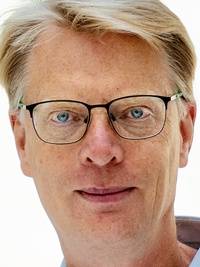 Ype Elgersma is a Professor of Molecular Neuroscience, Chair Research and Education, Dept. of Clinical Genetics and Scientific director ENCORE Expertise Centre for Neurodevelopmental Disorders
At Erasmus MC, Rotterdam, The Netherlands. His research is focused on the molecular and cellular mechanisms underlying neurodevelopmental disorders, and to translate these findings into potential therapies. The lab is in particular known for its studies on Angelman Syndrome, DUP15Q syndrome, CAMK2 syndrome, Tuberous Sclerosis Complex, MTORopathies, RASopathies.
Ype Elgersma is a Professor of Molecular Neuroscience, Chair Research and Education, Dept. of Clinical Genetics and Scientific director ENCORE Expertise Centre for Neurodevelopmental Disorders
At Erasmus MC, Rotterdam, The Netherlands. His research is focused on the molecular and cellular mechanisms underlying neurodevelopmental disorders, and to translate these findings into potential therapies. The lab is in particular known for its studies on Angelman Syndrome, DUP15Q syndrome, CAMK2 syndrome, Tuberous Sclerosis Complex, MTORopathies, RASopathies.
To get more insight in the pathophysiology of neurodevelopmental disorders and to identify targeted treatments, our lab engineered multiple mouse models. Much care is taken to identify robust phenotypes that are suitable for drug testing. The last years, the focus of the lab has shifted towards developing RNA therapies by antisense oligonucleotides (ASO). Testing these ASO therapies in mouse models has provided great insight in the promise of these ASOs to provide a treatment for rather common neurodevelopmental disorders such as Angelman syndrome and Tuberous Sclerosis Complex. The lab is currently advancing ASO therapies for neurodevelopmental disorders driven by ultra‑rare (n=1) genetic variants, aiming to provide these treatments to patients at cost price to support sustainable clinical care.
Ype Elgersma is a Professor of Molecular Neuroscience, Chair Research and Education, Dept. of Clinical Genetics and Scientific director ENCORE Expertise Centre for Neurodevelopmental Disorders
At Erasmus MC, Rotterdam, The Netherlands. His research is focused on the molecular and cellular mechanisms underlying neurodevelopmental disorders, and to translate these findings into potential therapies. The lab is in particular known for its studies on Angelman Syndrome, DUP15Q syndrome, CAMK2 syndrome, Tuberous Sclerosis Complex, MTORopathies, RASopathies.
To get more insight in the pathophysiology of neurodevelopmental disorders and to identify targeted treatments, our lab engineered multiple mouse models. Much care is taken to identify robust phenotypes that are suitable for drug testing. The last years, the focus of the lab has shifted towards developing RNA therapies by antisense oligonucleotides (ASO). Testing these ASO therapies in mouse models has provided great insight in the promise of these ASOs to provide a treatment for rather common neurodevelopmental disorders such as Angelman syndrome and Tuberous Sclerosis Complex. The lab is currently advancing ASO therapies for neurodevelopmental disorders driven by ultra‑rare (n=1) genetic variants, aiming to provide these treatments to patients at cost price to support sustainable clinical care.
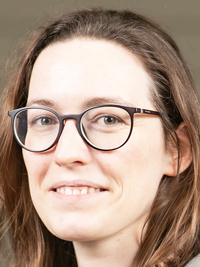 Dr. Loreen Hertäg is a permanent researcher in the lab of Henning Sprekeler at the Technical University Berlin and the Bernstein Center for Computational Neuroscience. Trained as a theoretical physicist, she began her neuroscience career during her PhD and has conducted research in several leading labs, including Claudia Clopath’s lab at Imperial College London, and Daniel Durstewitz’s lab at the Central Institute of Mental Health in Mannheim and the University of Heidelberg. Her research focuses on computational modeling of neural networks with diverse inhibitory interneurons, with recent work on the formation and refinement of prediction-error circuits. She employs modeling approaches ranging from single-cell to large-scale network simulations to uncover principles of neural computation and circuit dynamics. Her work bridges theoretical and computational neuroscience, providing insights into how neural diversity and network organization shape network function and information processing.
Dr. Loreen Hertäg is a permanent researcher in the lab of Henning Sprekeler at the Technical University Berlin and the Bernstein Center for Computational Neuroscience. Trained as a theoretical physicist, she began her neuroscience career during her PhD and has conducted research in several leading labs, including Claudia Clopath’s lab at Imperial College London, and Daniel Durstewitz’s lab at the Central Institute of Mental Health in Mannheim and the University of Heidelberg. Her research focuses on computational modeling of neural networks with diverse inhibitory interneurons, with recent work on the formation and refinement of prediction-error circuits. She employs modeling approaches ranging from single-cell to large-scale network simulations to uncover principles of neural computation and circuit dynamics. Her work bridges theoretical and computational neuroscience, providing insights into how neural diversity and network organization shape network function and information processing.
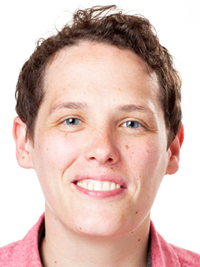 Rebecca Hodge is an Associate Investigator at the Allen Institute, where she leads efforts to generate comprehensive, brain-wide atlases of cellular diversity in human and non-human primate brains using single cell multiomic approaches. Her work is centered within large-scale collaborative efforts, including the NIH Brain Initiative Cell Atlas Network (BICAN) and the Seattle Alzheimer’s Disease Cell Atlas (SEA-AD). Within BICAN, she contributes to defining brain cell types and understanding their conservation and divergence across species. In SEA-AD, she is part of a team generating high resolution, multimodal maps of cellular vulnerability and resilience in Alzheimer’s disease, with a focus on early-affected regions and cell populations. At the Allen Institute, she also contributes to the development of scalable experimental pipelines for tissue processing, single cell profiling, and data integration.
Prior to joining the Allen Institute, Rebecca completed her postdoctoral training at the University of Washington and Seattle Children’s Research Institute, where she studied transcriptional regulation of neurogenesis in the developing and adult brain. She received her Ph.D. from the University of British Columbia and her B.Sc. from Simon Fraser University.
Rebecca Hodge is an Associate Investigator at the Allen Institute, where she leads efforts to generate comprehensive, brain-wide atlases of cellular diversity in human and non-human primate brains using single cell multiomic approaches. Her work is centered within large-scale collaborative efforts, including the NIH Brain Initiative Cell Atlas Network (BICAN) and the Seattle Alzheimer’s Disease Cell Atlas (SEA-AD). Within BICAN, she contributes to defining brain cell types and understanding their conservation and divergence across species. In SEA-AD, she is part of a team generating high resolution, multimodal maps of cellular vulnerability and resilience in Alzheimer’s disease, with a focus on early-affected regions and cell populations. At the Allen Institute, she also contributes to the development of scalable experimental pipelines for tissue processing, single cell profiling, and data integration.
Prior to joining the Allen Institute, Rebecca completed her postdoctoral training at the University of Washington and Seattle Children’s Research Institute, where she studied transcriptional regulation of neurogenesis in the developing and adult brain. She received her Ph.D. from the University of British Columbia and her B.Sc. from Simon Fraser University.
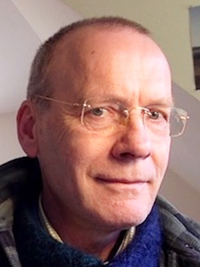 Herbert Jaeger studied mathematics and psychology in Freiburg (Germany), then did a PhD in Bielefeld (Germany) in the classical AI group of Ipke Wachsmuth, where he became interested in dynamical systems modeling in cognitive science, which led to a postdoc in the autonomous robots research team of Thomas Christaller at the German National Research Institute for Mathematics and Computer Science (GMD), where he drifted towards signal processing, robotics, machine learning and recurrent neural networks, which in turn allowed him to establish a GMD research unit on modeling intelligent dynamical systems (MINDS); then for almost 20 years served as professor in the CS department of Jacobs University Bremen (Germany) where he taught theoretical CS and machine learning and continued thinking about mathematical modeling of cognitive dynamics, which pulled him into the fields of unconventional computing, which in turn in 2019 led to an appointment at the University of Groningen, where he dedicated all research efforts to non-digital, 'neuromorphic' computing theory, often in collaboration with mathematicians, computer scientists, materials scientists, microchip engineers, cognitive scientists and AI/machine learning colleagues. His lifetime dream is to develop a mathematical language for modeling general information-processing dynamical systems. Jaeger retired in June 2025 and now has more time than ever before for trying to make this dream more real.
Herbert Jaeger studied mathematics and psychology in Freiburg (Germany), then did a PhD in Bielefeld (Germany) in the classical AI group of Ipke Wachsmuth, where he became interested in dynamical systems modeling in cognitive science, which led to a postdoc in the autonomous robots research team of Thomas Christaller at the German National Research Institute for Mathematics and Computer Science (GMD), where he drifted towards signal processing, robotics, machine learning and recurrent neural networks, which in turn allowed him to establish a GMD research unit on modeling intelligent dynamical systems (MINDS); then for almost 20 years served as professor in the CS department of Jacobs University Bremen (Germany) where he taught theoretical CS and machine learning and continued thinking about mathematical modeling of cognitive dynamics, which pulled him into the fields of unconventional computing, which in turn in 2019 led to an appointment at the University of Groningen, where he dedicated all research efforts to non-digital, 'neuromorphic' computing theory, often in collaboration with mathematicians, computer scientists, materials scientists, microchip engineers, cognitive scientists and AI/machine learning colleagues. His lifetime dream is to develop a mathematical language for modeling general information-processing dynamical systems. Jaeger retired in June 2025 and now has more time than ever before for trying to make this dream more real.
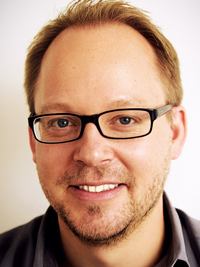 PD Dr. Benjamin Jurek is a neuroscientist at the Max Planck Institute for Psychiatry
and Principal Investigator at LMU Munich, where he leads a DFG-funded
independent research program on the neurobiology of stress resilience. His research
integrates molecular neuroscience with high-resolution behavioral phenotyping to
dissect mechanisms underlying stress susceptibility and adaptive responses.
He obtained his doctorate at the University of Regensburg and conducted
international research at the National Institutes of Health (NIH), USA. Following his
habilitation in 2022 on oxytocin receptor signaling in anxiety and stress, he
established innovative experimental and analytical frameworks linking neuropeptide
signaling, extracellular vesicle biology, and behavioral dynamics.
Dr. Jurek combines advanced molecular approaches (including CRISPR-based
manipulation, Gapmer/ASOs, proteomics, and 3D cell culture systems) with
computational methods, such as deep learning–based behavioral analysis. His work
aims to identify mechanistic biomarkers and predictive signatures of stress resilience
with translational relevance.
PD Dr. Benjamin Jurek is a neuroscientist at the Max Planck Institute for Psychiatry
and Principal Investigator at LMU Munich, where he leads a DFG-funded
independent research program on the neurobiology of stress resilience. His research
integrates molecular neuroscience with high-resolution behavioral phenotyping to
dissect mechanisms underlying stress susceptibility and adaptive responses.
He obtained his doctorate at the University of Regensburg and conducted
international research at the National Institutes of Health (NIH), USA. Following his
habilitation in 2022 on oxytocin receptor signaling in anxiety and stress, he
established innovative experimental and analytical frameworks linking neuropeptide
signaling, extracellular vesicle biology, and behavioral dynamics.
Dr. Jurek combines advanced molecular approaches (including CRISPR-based
manipulation, Gapmer/ASOs, proteomics, and 3D cell culture systems) with
computational methods, such as deep learning–based behavioral analysis. His work
aims to identify mechanistic biomarkers and predictive signatures of stress resilience
with translational relevance.
He has received the prestigious ECNP Award for outstanding science, and has
contributed to training and mentoring across all academic levels while actively
shaping interdisciplinary research networks in neuroscience.
PD Dr. Benjamin Jurek is a neuroscientist at the Max Planck Institute for Psychiatry
and Principal Investigator at LMU Munich, where he leads a DFG-funded
independent research program on the neurobiology of stress resilience. His research
integrates molecular neuroscience with high-resolution behavioral phenotyping to
dissect mechanisms underlying stress susceptibility and adaptive responses.
He obtained his doctorate at the University of Regensburg and conducted
international research at the National Institutes of Health (NIH), USA. Following his
habilitation in 2022 on oxytocin receptor signaling in anxiety and stress, he
established innovative experimental and analytical frameworks linking neuropeptide
signaling, extracellular vesicle biology, and behavioral dynamics.
Dr. Jurek combines advanced molecular approaches (including CRISPR-based
manipulation, Gapmer/ASOs, proteomics, and 3D cell culture systems) with
computational methods, such as deep learning–based behavioral analysis. His work
aims to identify mechanistic biomarkers and predictive signatures of stress resilience
with translational relevance.
He has received the prestigious ECNP Award for outstanding science, and has
contributed to training and mentoring across all academic levels while actively
shaping interdisciplinary research networks in neuroscience.
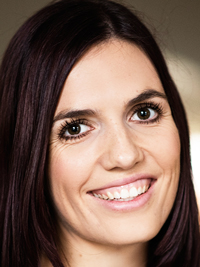 Emma Kasteel (PhD, ERT) obtained her BSc in Pharmaceutical Sciences and her MSc in Drug Discovery and Safety (cum laude) from Vrije Universiteit Amsterdam. She completed her PhD at the Institute for Risk Assessment Sciences (IRAS), Utrecht University, where her research focused on Next Generation Risk Assessment (NGRA) of chemicals and the development of animal-free strategies for chemical safety assessment. In 2021, she obtained her registration as a European Registered Toxicologist (ERT).
Following her PhD, Emma worked as a postdoctoral researcher at the Neurotoxicology Research Group at IRAS. She is currently an assistant professor in the same group, where she combines research, teaching, and coordination of interdisciplinary projects.
Emma Kasteel (PhD, ERT) obtained her BSc in Pharmaceutical Sciences and her MSc in Drug Discovery and Safety (cum laude) from Vrije Universiteit Amsterdam. She completed her PhD at the Institute for Risk Assessment Sciences (IRAS), Utrecht University, where her research focused on Next Generation Risk Assessment (NGRA) of chemicals and the development of animal-free strategies for chemical safety assessment. In 2021, she obtained her registration as a European Registered Toxicologist (ERT).
Following her PhD, Emma worked as a postdoctoral researcher at the Neurotoxicology Research Group at IRAS. She is currently an assistant professor in the same group, where she combines research, teaching, and coordination of interdisciplinary projects.
Her research focuses on the (neuro)toxic effects of micro- and nanoplastics, with a particular emphasis on their interaction with the blood–brain barrier and potential impacts on brain health. Using advanced human-relevant in vitro models, her work aims to unravel mechanisms underlying the toxicity of emerging contaminants and to contribute to improved human health risk assessment. In addition, she supervises MSc and PhD students and contributes to collaborative research initiatives at the interface of toxicology, exposure science, and regulatory science.
Emma Kasteel (PhD, ERT) obtained her BSc in Pharmaceutical Sciences and her MSc in Drug Discovery and Safety (cum laude) from Vrije Universiteit Amsterdam. She completed her PhD at the Institute for Risk Assessment Sciences (IRAS), Utrecht University, where her research focused on Next Generation Risk Assessment (NGRA) of chemicals and the development of animal-free strategies for chemical safety assessment. In 2021, she obtained her registration as a European Registered Toxicologist (ERT).
Following her PhD, Emma worked as a postdoctoral researcher at the Neurotoxicology Research Group at IRAS. She is currently an assistant professor in the same group, where she combines research, teaching, and coordination of interdisciplinary projects.
Her research focuses on the (neuro)toxic effects of micro- and nanoplastics, with a particular emphasis on their interaction with the blood–brain barrier and potential impacts on brain health. Using advanced human-relevant in vitro models, her work aims to unravel mechanisms underlying the toxicity of emerging contaminants and to contribute to improved human health risk assessment. In addition, she supervises MSc and PhD students and contributes to collaborative research initiatives at the interface of toxicology, exposure science, and regulatory science.
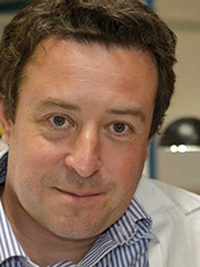 Istvan Katona works as Naus Family Chair in Addiction Sciences at Indiana University Bloomington and as senior consultant at HUN-REN Institute of Experimental Medicine, Budapest. His research team focuses on the adaptive and maladaptive plasticity mechanisms underlying cannabis effects and endocannabinoid signaling in the brain. His main contributions include the molecular architecture for retrograde endocannabinoid signaling in synapses; the synaptic circuit-breaker model for the role of endocannabinoids in epilepsy; and the development of STORM super-resolution imaging methodologies for nanoscale imaging of cannabis effects. He is a lifetime member of the Academia Europea and EMBO.
Istvan Katona works as Naus Family Chair in Addiction Sciences at Indiana University Bloomington and as senior consultant at HUN-REN Institute of Experimental Medicine, Budapest. His research team focuses on the adaptive and maladaptive plasticity mechanisms underlying cannabis effects and endocannabinoid signaling in the brain. His main contributions include the molecular architecture for retrograde endocannabinoid signaling in synapses; the synaptic circuit-breaker model for the role of endocannabinoids in epilepsy; and the development of STORM super-resolution imaging methodologies for nanoscale imaging of cannabis effects. He is a lifetime member of the Academia Europea and EMBO.
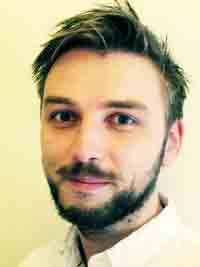 Andrew trained in Biochemistry at the University of Cambridge and completed his PhD at UCL, where he studied mitochondrial transport in neurons. He carried out postdoctoral work at New York University, focusing on ventral striatal circuitry, before establishing his laboratory at UCL.
His research aims to understand how neural circuits support learning, decision-making, and emotional behaviour, and how their dysfunction contributes to neuropsychiatric and neurodegenerative disease. His lab focuses on the ventral hippocampus as a key hub linking memory, motivation, and mental health. Using a combination of two-photon imaging, electrophysiology, optogenetics, viral approaches, and behaviour, his group dissects how circuit dynamics give rise to adaptive behaviour and how these processes break down in disease.
Andrew is a UKRI Frontier Research Fellow and recipient of an ERC Consolidator Award. He has been awarded a UCL Excellence Fellowship, a Wellcome Trust and Royal Society Sir Henry Dale Fellowship, and the Wellcome-Beit Prize. He was previously a Sir Henry Wellcome Postdoctoral Fellow in the laboratory of Adam Carter at New York University and completed his PhD with Josef Kittler at UCL.
Andrew trained in Biochemistry at the University of Cambridge and completed his PhD at UCL, where he studied mitochondrial transport in neurons. He carried out postdoctoral work at New York University, focusing on ventral striatal circuitry, before establishing his laboratory at UCL.
His research aims to understand how neural circuits support learning, decision-making, and emotional behaviour, and how their dysfunction contributes to neuropsychiatric and neurodegenerative disease. His lab focuses on the ventral hippocampus as a key hub linking memory, motivation, and mental health. Using a combination of two-photon imaging, electrophysiology, optogenetics, viral approaches, and behaviour, his group dissects how circuit dynamics give rise to adaptive behaviour and how these processes break down in disease.
Andrew is a UKRI Frontier Research Fellow and recipient of an ERC Consolidator Award. He has been awarded a UCL Excellence Fellowship, a Wellcome Trust and Royal Society Sir Henry Dale Fellowship, and the Wellcome-Beit Prize. He was previously a Sir Henry Wellcome Postdoctoral Fellow in the laboratory of Adam Carter at New York University and completed his PhD with Josef Kittler at UCL.
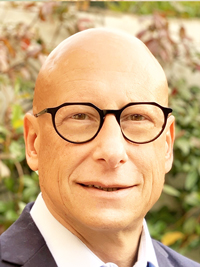 Massimo Mantegazza is Inserm Research Director, Group Leader and Director of the Strategic Program “Ion Channels” at the Institute of Molecular and Cellular Pharmacology (IPMC), CNRS-University Côte d’Azur. His research focuses on the pathophysiology of ion channels and neuronal excitability, combining in vitro and in vivo electrophysiology, molecular and cellular biology, imaging, and behavioural approaches. He has made important contributions to understanding how epileptogenic and migraine‑associated mutations of sodium channels alter neuronal function and network excitability, revealing distinct mechanisms leading to seizures or spreading depolarizations. His group has identified secondary remodeling processes triggered by pathogenic variants and developed preclinical therapeutic strategies targeting these dysfunctions. He has coordinated national and European research programs and serves on multiple scientific councils and evaluation boards.
Massimo Mantegazza is Inserm Research Director, Group Leader and Director of the Strategic Program “Ion Channels” at the Institute of Molecular and Cellular Pharmacology (IPMC), CNRS-University Côte d’Azur. His research focuses on the pathophysiology of ion channels and neuronal excitability, combining in vitro and in vivo electrophysiology, molecular and cellular biology, imaging, and behavioural approaches. He has made important contributions to understanding how epileptogenic and migraine‑associated mutations of sodium channels alter neuronal function and network excitability, revealing distinct mechanisms leading to seizures or spreading depolarizations. His group has identified secondary remodeling processes triggered by pathogenic variants and developed preclinical therapeutic strategies targeting these dysfunctions. He has coordinated national and European research programs and serves on multiple scientific councils and evaluation boards.
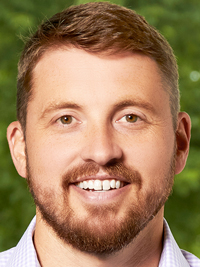 Jordan McCall, PhD, MPH is an Associate professor in the Department of Anesthesiology and the Center for Clinical Pharmacology at Washington University in St. Louis School of Medicine. Jordan leads a multidisciplinary research program aimed at understanding the neural mechanisms underlying the emotional distress associated with traumatic events such as stress, chronic pain, and substance use disorder. The long-term goal of the laboratory is to take basic, circuit-level neuroscience research on endogenous neuromodulatory systems, such as the central noradrenergic system, to identify new therapeutic strategies. In practice, the McCall lab helps achieves this goal through the development of new neural interfacing technologies including collaborative efforts with materials scientists, chemical and electrical engineers, mathematicians, computer scientists, and clinicians. In addition to his research, Jordan co-directs a medical school elective, "Science, Medicine and Societal Effects of Pain", which integrates basic, preclinical pain science with practical experiences in the clinical treatment of pain. Outside of work, Jordan enjoys quieting his mind by swimming laps or walking his dog and attempting to quiet his home by corralling his four children.
Jordan McCall, PhD, MPH is an Associate professor in the Department of Anesthesiology and the Center for Clinical Pharmacology at Washington University in St. Louis School of Medicine. Jordan leads a multidisciplinary research program aimed at understanding the neural mechanisms underlying the emotional distress associated with traumatic events such as stress, chronic pain, and substance use disorder. The long-term goal of the laboratory is to take basic, circuit-level neuroscience research on endogenous neuromodulatory systems, such as the central noradrenergic system, to identify new therapeutic strategies. In practice, the McCall lab helps achieves this goal through the development of new neural interfacing technologies including collaborative efforts with materials scientists, chemical and electrical engineers, mathematicians, computer scientists, and clinicians. In addition to his research, Jordan co-directs a medical school elective, "Science, Medicine and Societal Effects of Pain", which integrates basic, preclinical pain science with practical experiences in the clinical treatment of pain. Outside of work, Jordan enjoys quieting his mind by swimming laps or walking his dog and attempting to quiet his home by corralling his four children.
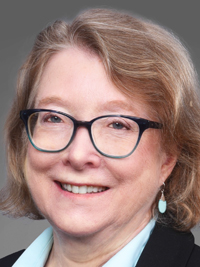 Margaret (Peg) McCarthy received her Ph.D. from the Institute of Animal Behavior at Rutgers University and completed postdoctoral training at Rockefeller University. She was a National Research Council Fellow at the NIH before joining the faculty of the University of Maryland School of Medicine in Baltimore in 1993. She served as Professor in the Department of Physiology, Associate Dean for Graduate Education and then as Chair of the Department of Pharmacology from 2011 to 2024.
McCarthy's research focuses on the cellular mechanisms that establish sex differences in the brain. Using a combined behavioral and mechanistic approach in the laboratory rat, her work addresses both normal brain development and how these processes may go selectively awry in males versus females. She has published over 200 peer-reviewed manuscripts and has been continuously funded by the National Institutes of Health for more than 30 years.
McCarthy is currently the inaugural Director of the University of Maryland–Medicine Institute for Neuroscience Discovery (UM-MIND). She is a Fellow of the AAAS and ACNP, a former President of both the Organization for the Study of Sex Differences and the Society for Behavioral Neuroendocrinology, and was elected to the National Academy of Medicine in 2024.
Margaret (Peg) McCarthy received her Ph.D. from the Institute of Animal Behavior at Rutgers University and completed postdoctoral training at Rockefeller University. She was a National Research Council Fellow at the NIH before joining the faculty of the University of Maryland School of Medicine in Baltimore in 1993. She served as Professor in the Department of Physiology, Associate Dean for Graduate Education and then as Chair of the Department of Pharmacology from 2011 to 2024.
McCarthy's research focuses on the cellular mechanisms that establish sex differences in the brain. Using a combined behavioral and mechanistic approach in the laboratory rat, her work addresses both normal brain development and how these processes may go selectively awry in males versus females. She has published over 200 peer-reviewed manuscripts and has been continuously funded by the National Institutes of Health for more than 30 years.
McCarthy is currently the inaugural Director of the University of Maryland–Medicine Institute for Neuroscience Discovery (UM-MIND). She is a Fellow of the AAAS and ACNP, a former President of both the Organization for the Study of Sex Differences and the Society for Behavioral Neuroendocrinology, and was elected to the National Academy of Medicine in 2024.
 Being trained as a cellular neurobiologist, I obtained my PhD from University of Montpellier 2 for my work on the conserved function of the protein Zfh1 in the peripheral nervous system of drosophila and mouse in the lab of Patrick Carroll.
My growing interest on glial cells made me move to London to study the role of central myelination in motor skill learning in the team of Bill Richardson (UCL). After this rich and diversified postdoctoral experience where I published in two high impact factor journals (Science and Nature Neuroscience), I was recruited in 2017 at the CNRS in Cathy Soula's group at the CBD in Toulouse. I focused on the development of astrocytes in the spinal cord and identified this new subtype of astrocytes: the Olig2-astrocytes.
In 2021, I joined Alice Davy's team at the Center for Integrative Biology (CBI) working on cell-cell interaction in the development of the cerebral cortex. In my new team, I have pursued the work on Olig2-astrocytes but this time in the brain. In parallel of my project on astrocytic diversity, I am developing a new project focusing on the effect of nutrition in glioma development with a particular focus on the glial cells.
Alongside my research activities, I am an active member of the French Glial Cell Club acting as secretary, helping to organize events on this topic.
Being trained as a cellular neurobiologist, I obtained my PhD from University of Montpellier 2 for my work on the conserved function of the protein Zfh1 in the peripheral nervous system of drosophila and mouse in the lab of Patrick Carroll.
My growing interest on glial cells made me move to London to study the role of central myelination in motor skill learning in the team of Bill Richardson (UCL). After this rich and diversified postdoctoral experience where I published in two high impact factor journals (Science and Nature Neuroscience), I was recruited in 2017 at the CNRS in Cathy Soula's group at the CBD in Toulouse. I focused on the development of astrocytes in the spinal cord and identified this new subtype of astrocytes: the Olig2-astrocytes.
In 2021, I joined Alice Davy's team at the Center for Integrative Biology (CBI) working on cell-cell interaction in the development of the cerebral cortex. In my new team, I have pursued the work on Olig2-astrocytes but this time in the brain. In parallel of my project on astrocytic diversity, I am developing a new project focusing on the effect of nutrition in glioma development with a particular focus on the glial cells.
Alongside my research activities, I am an active member of the French Glial Cell Club acting as secretary, helping to organize events on this topic.
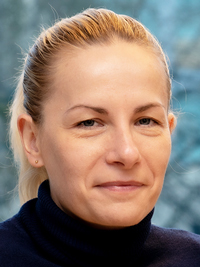 I am an Associate Professor at the Nencki Institute of Experimental Biology, where I lead the Dioscuri Centre for Chromatin Biology and Epigenomics. I trained in biology and biophysics at the University of Łódź and completed my PhD in immunology at Aix-Marseille University. My postdoctoral work at EMBL Heidelberg and later at the NIH in Bethesda shaped my long-standing interest in genome regulation across different biological contexts. Today, my research brings together chromatin biology, gene regulation, neurobiology, and evolution. Using comparative and functional genomics, my group studies the molecular basis of astrocyte diversity and evolution, with a particular focus on primates. Likewise, we investigate the mechanisms that orchestrate changes in chromatin topology during the development of the mammalian nervous system.
I am an Associate Professor at the Nencki Institute of Experimental Biology, where I lead the Dioscuri Centre for Chromatin Biology and Epigenomics. I trained in biology and biophysics at the University of Łódź and completed my PhD in immunology at Aix-Marseille University. My postdoctoral work at EMBL Heidelberg and later at the NIH in Bethesda shaped my long-standing interest in genome regulation across different biological contexts. Today, my research brings together chromatin biology, gene regulation, neurobiology, and evolution. Using comparative and functional genomics, my group studies the molecular basis of astrocyte diversity and evolution, with a particular focus on primates. Likewise, we investigate the mechanisms that orchestrate changes in chromatin topology during the development of the mammalian nervous system.
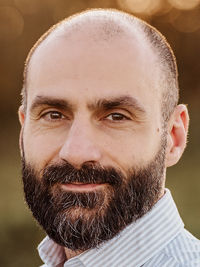 Ehsan Pishva, MD, PhD, is an assistant professor at Maastricht University and an honorary senior lecturer at the University of Exeter, UK. He leads the Dementia Systems Biology Group, focusing on the molecular mechanisms underlying Alzheimer’s disease and related dementias. By combining computational biology with experimental models, his research aims to advance precision medicine through improved stratification, early detection, and identification of novel therapeutic targets in neurodegenerative disorders.
Ehsan Pishva, MD, PhD, is an assistant professor at Maastricht University and an honorary senior lecturer at the University of Exeter, UK. He leads the Dementia Systems Biology Group, focusing on the molecular mechanisms underlying Alzheimer’s disease and related dementias. By combining computational biology with experimental models, his research aims to advance precision medicine through improved stratification, early detection, and identification of novel therapeutic targets in neurodegenerative disorders.
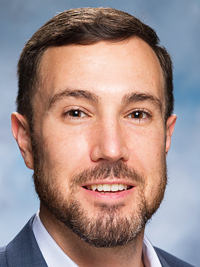 Mark Rossi is an Assistant Professor of Neuroscience and Cell Biology in the Center for NeuroMetabolism at Rutgers University’s Robert Wood Johnson Medical School. He is a resident scientist of the Child Health Institute of New Jersey and core member of the Rutgers Brain Health Institute. He received his PhD in Psychology and Neuroscience from Duke University and completed postdoctoral training at the University of North Carolina and the University of Washington where he investigated how subcortical brain circuits control motivated behavior. His current research aims to resolve the cellular and molecular heterogeneity of hypothalamic regions to link defined neuronal populations with specific behavioral motifs. Using approaches such as single-cell transcriptomics, circuit mapping, and in vivo functional assays, his research group aims to understand how metabolic and motivational signals are integrated to drive both adaptive feeding and maladaptive behaviors such as overeating.
Mark Rossi is an Assistant Professor of Neuroscience and Cell Biology in the Center for NeuroMetabolism at Rutgers University’s Robert Wood Johnson Medical School. He is a resident scientist of the Child Health Institute of New Jersey and core member of the Rutgers Brain Health Institute. He received his PhD in Psychology and Neuroscience from Duke University and completed postdoctoral training at the University of North Carolina and the University of Washington where he investigated how subcortical brain circuits control motivated behavior. His current research aims to resolve the cellular and molecular heterogeneity of hypothalamic regions to link defined neuronal populations with specific behavioral motifs. Using approaches such as single-cell transcriptomics, circuit mapping, and in vivo functional assays, his research group aims to understand how metabolic and motivational signals are integrated to drive both adaptive feeding and maladaptive behaviors such as overeating.
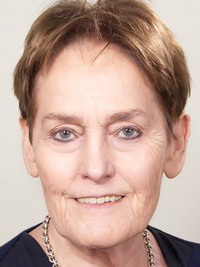 Since then Senior Professor, Institute of Cell and Neurobiology, Charité Berlin
2001-2021 Profess or of Anatomy, Institute of Neuroanatomy, Director, University Medical Center, Hamburg-Eppendorf
1993-2001 Associate Professor (C3), Institute of Anatomy, EMA-Univ. Greifswald
1988 Habilitation, Free University of Berlin
1985-1993 Research assistant, Institute of Anatomy, FU Berlin
1981 Dr. med., Westfälische Wilhelmsuniversität, Münster
1980-1984 Research assistant, Institute of Anatomy, WW-Univ. Münster
1972-1980 Study of Medicine and Sociology, Universities of Münster and Berlin
Research fields
Since our discovery in 2003 that hippocampal neurons are capable to synthesize and secrete estrogens the main scientific focus of our group was to find out the relevance of locally synthesized neurosteroids in the hippocampus with particular emphasis on synaptic stability and plasticity. More recently we studied the underlying mechanisms for sex-dependent differences in hippocampal synaptic connectivity and the role of neurosteroids in maintaining these sex differences.
Since then Senior Professor, Institute of Cell and Neurobiology, Charité Berlin
2001-2021 Profess or of Anatomy, Institute of Neuroanatomy, Director, University Medical Center, Hamburg-Eppendorf
1993-2001 Associate Professor (C3), Institute of Anatomy, EMA-Univ. Greifswald
1988 Habilitation, Free University of Berlin
1985-1993 Research assistant, Institute of Anatomy, FU Berlin
1981 Dr. med., Westfälische Wilhelmsuniversität, Münster
1980-1984 Research assistant, Institute of Anatomy, WW-Univ. Münster
1972-1980 Study of Medicine and Sociology, Universities of Münster and Berlin
Research fields
Since our discovery in 2003 that hippocampal neurons are capable to synthesize and secrete estrogens the main scientific focus of our group was to find out the relevance of locally synthesized neurosteroids in the hippocampus with particular emphasis on synaptic stability and plasticity. More recently we studied the underlying mechanisms for sex-dependent differences in hippocampal synaptic connectivity and the role of neurosteroids in maintaining these sex differences.
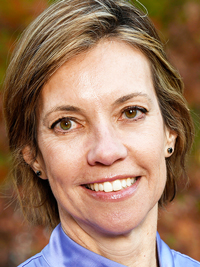 Janine Santos received her Ph.D. in Genetics and Molecular Biology from the Federal University of Rio Grande do Sul in Porto Alegre, Brazil, followed by postdoctoral training at the NIEHS. After serving on the faculty at New Jersey Medical School, she returned to NIEHS, where she leads the Mitochondrial Toxicology and Biology Group. Her research focuses on mitochondrial physiology, including mitochondrial DNA integrity, metabolism, and mitochondria–nucleus crosstalk. Her work has contributed to the development of widely used assays for detecting genomic damage and has advanced understanding of how mitochondrial function, including when modulated through environmental exposures, influence epigenetic regulation, gene expression, and long-term health outcomes.
Janine Santos received her Ph.D. in Genetics and Molecular Biology from the Federal University of Rio Grande do Sul in Porto Alegre, Brazil, followed by postdoctoral training at the NIEHS. After serving on the faculty at New Jersey Medical School, she returned to NIEHS, where she leads the Mitochondrial Toxicology and Biology Group. Her research focuses on mitochondrial physiology, including mitochondrial DNA integrity, metabolism, and mitochondria–nucleus crosstalk. Her work has contributed to the development of widely used assays for detecting genomic damage and has advanced understanding of how mitochondrial function, including when modulated through environmental exposures, influence epigenetic regulation, gene expression, and long-term health outcomes.
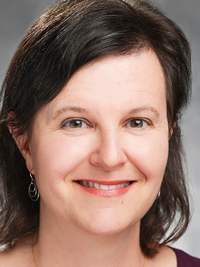 Debra Silver is a Distinguished Professor of Neuroscience and Professor of Cell Biology, Molecular Genetics and Microbiology, and Neurobiology at Duke University School of Medicine. Her lab investigates cerebral cortexdevelopment and mechanisms of neurodevelopmental pathologies and brain evolution. To do so they leverage primate organoids, mouse genetics, imaging, and omics. A major research focus is on post-transcriptional control of neurogenesis, including by RNA binding proteins and sub-cellular control of RNA regulation. A complementary research direction investigates how human-specific genetic modifications influence brain development.
Debra Silver is a Distinguished Professor of Neuroscience and Professor of Cell Biology, Molecular Genetics and Microbiology, and Neurobiology at Duke University School of Medicine. Her lab investigates cerebral cortexdevelopment and mechanisms of neurodevelopmental pathologies and brain evolution. To do so they leverage primate organoids, mouse genetics, imaging, and omics. A major research focus is on post-transcriptional control of neurogenesis, including by RNA binding proteins and sub-cellular control of RNA regulation. A complementary research direction investigates how human-specific genetic modifications influence brain development.
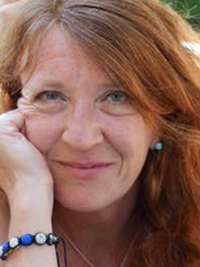 Candida Snow is director of Snow Culture & Communication, an associate of the Friends of Hofstede group - and an expert and experienced intercultural management specialist. She is known for her engaging and interactive approach. She has over 25 years’ extensive professional experience and knowledge on how to create trust and optimise comfort and performance in multicultural working environments.
Candida’s clients include major multinationals in the professional service sector, pharmaceutics, retail, high tech fields, engineering, off-shore, energy and industry as well as numerous non-profit organisations. She is a regular keynote speaker and a guest lecturer at several international business schools and universities.
Candida Snow is director of Snow Culture & Communication, an associate of the Friends of Hofstede group - and an expert and experienced intercultural management specialist. She is known for her engaging and interactive approach. She has over 25 years’ extensive professional experience and knowledge on how to create trust and optimise comfort and performance in multicultural working environments.
Candida’s clients include major multinationals in the professional service sector, pharmaceutics, retail, high tech fields, engineering, off-shore, energy and industry as well as numerous non-profit organisations. She is a regular keynote speaker and a guest lecturer at several international business schools and universities.
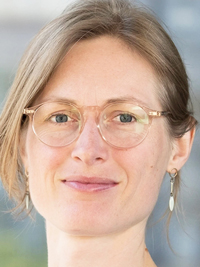 Sofie Valk is a Lise Meitner research group leader at the Max Planck Institute for Human Cognitive and Brain Sciences in Leipzig, Germany and research group leader at Research Center Jülich, in Jülich, Germany. Sofie is interested in understanding how our social world gets into our heads, or put more scientifically how our socio-cultural environments shape our brain structure and function across the lifespan and what this means for behaviour and mental health. She has studied artificial intelligence and social philosophy for her BSc and Cognitive sciences as a MSc at the University of Amsterdam. Sofie has received various awards and recognitions, among which the Hector Research Development Award, Jacobs foundation research fellowship, Otto Hahn Award, and recently the ERC starting grant.
Sofie Valk is a Lise Meitner research group leader at the Max Planck Institute for Human Cognitive and Brain Sciences in Leipzig, Germany and research group leader at Research Center Jülich, in Jülich, Germany. Sofie is interested in understanding how our social world gets into our heads, or put more scientifically how our socio-cultural environments shape our brain structure and function across the lifespan and what this means for behaviour and mental health. She has studied artificial intelligence and social philosophy for her BSc and Cognitive sciences as a MSc at the University of Amsterdam. Sofie has received various awards and recognitions, among which the Hector Research Development Award, Jacobs foundation research fellowship, Otto Hahn Award, and recently the ERC starting grant.
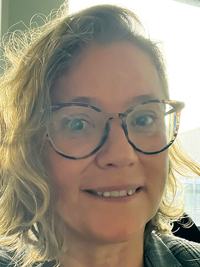 Laure Verret is an Associate Professor in Neuroscience at Université de Toulouse, France, and co-head of the REMEMBeR team (CRCA, CNRS). Her research investigates how neural circuits support memory and how they can be preserved in the context of aging and Alzheimer’s disease. Combining behavioral, circuit and network-level approaches, her work has highlighted the role of inhibitory interneurons in linking network dysfunction to cognitive deficits. She is particularly interested in mechanisms of cognitive reserve and how environmental factors shape brain resilience.
Laure Verret is an Associate Professor in Neuroscience at Université de Toulouse, France, and co-head of the REMEMBeR team (CRCA, CNRS). Her research investigates how neural circuits support memory and how they can be preserved in the context of aging and Alzheimer’s disease. Combining behavioral, circuit and network-level approaches, her work has highlighted the role of inhibitory interneurons in linking network dysfunction to cognitive deficits. She is particularly interested in mechanisms of cognitive reserve and how environmental factors shape brain resilience.